Necklace and Pendant
Lab grown diamond necklaces and pendants place the diamond where how it sits with the neckline becomes part of the design. The collection moves from single stone pendants to floral, open circle, paperclip, station, and other designs, giving each style a different way to frame the neck.
The Pendant Creates the Main Point of Focus
A pendant can draw attention to one diamond or use several stones to form a larger shape. Solitaire designs keep the eye on a central stone, while floral and leafinspired pieces use several diamonds to create a clear shape. Open circle designs take a different approach by making the empty space part of the pendant itself.
Chain and Pendant Need to Work Together
The chain is not simply a way to hold the pendant. A fine chain can keep attention on a small center design, while a paperclip-inspired structure gives the necklace a stronger metal presence. Station necklaces spread smaller diamond points along the chain rather than focusing everything at one central pendant.
For a connected look, the overall presence of the chain should relate to the size and structure of the pendant.
Some Shapes Change the Direction of the Design
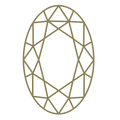
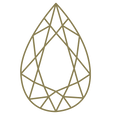
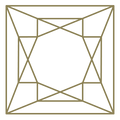
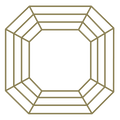
Round diamonds create a compact outline, while marquise and pear shapes introduce a more pointed direction. Emerald, Asscher, cushion, oval, and other cuts can give a pendant broader or more structured edges. The same diamond shape can therefore feel quite different depending on whether it appears alone, within a decorative form, or alongside other stones.
Think About the Neckline Before the Occasion
Where the necklace sits can change how clearly the pendant is seen. A shorter chain can place a small design closer to the base of the neck, while a longer length gives the pendant more space below the collarbone. This is especially useful when choosing a piece to wear with different necklines or alongside other necklaces.
A bridal look may call for a pendant that stays visually close to the neckline, while a necklace worn on its own can allow more room for a larger design.
Match the Pendant to the Jewelry You Already Wear
The most useful comparison is often between the necklace and the rest of the jewelry rather than between pendant shapes alone. A simple solitaire pendant can sit quietly beside detailed earrings, while a floral or geometric design may create a stronger connection to similarly shaped pieces.
FAQs
Q. What types of lab grown diamond pendants are available?
A. Options include solitaire, open circle, floral, leaf, paperclip, station, halo, and other decorative pendant designs.
Q. Can lab grown diamond necklaces use more than one stone?
A. Yes. Some designs group several diamonds into floral, halo, station, or other decorative designs.
Q. Which diamond shapes work well in pendants?
A. Round, oval, pear, marquise, emerald, Asscher, cushion, and radiant shapes can all be used, depending on the design.
Q. What is a station diamond necklace?
A. It is a necklace where individual diamond settings are spaced along the chain instead of being focused in one central pendant.
Q. How should I choose between a pendant and a diamond necklace?
A. Consider whether you prefer one central focal point or diamond details spread across the necklace, then compare the chain structure and preferred length.